

Sponsored by TEKTON
Academic scholarship grounds how ideas move from the classroom into the world. It helps frame how problems are understood, solutions are created, and decisions are informed across careers, communities, and industries. An extension of the Cornerstone Advantage™, the Celebration of Scholarship highlights experiential learning at Cornerstone University. It showcases how students engage complex questions, pursue truth with rigor, and apply knowledge in meaningful ways. Students are prepared to influence the world boldly and wisely, in light of God’s beautiful creation and reflecting the redemptive gospel of Jesus Christ.
April 23, 2026
9 a.m.–5 p.m.
Cornerstone University
Free
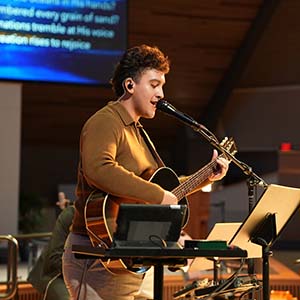
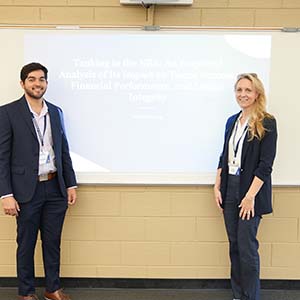
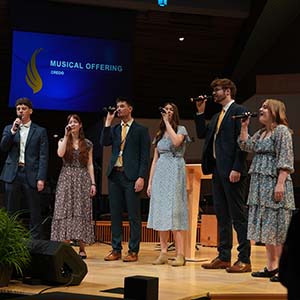
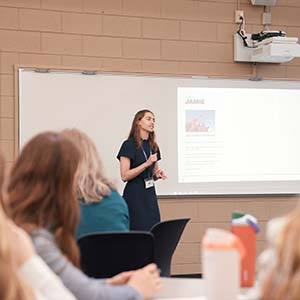
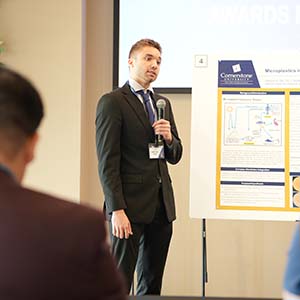
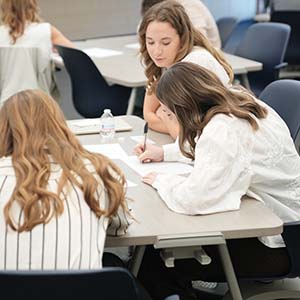
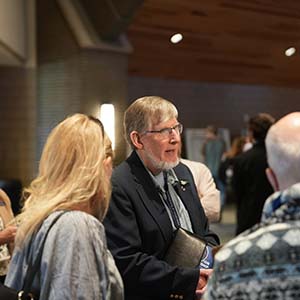
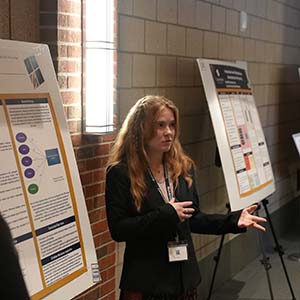
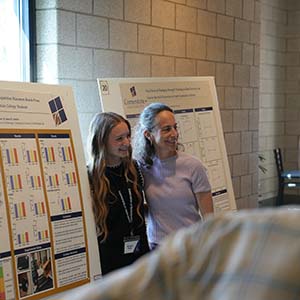
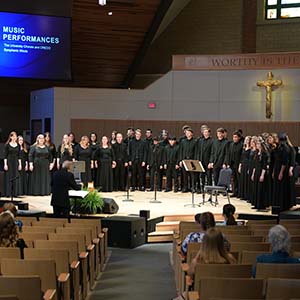
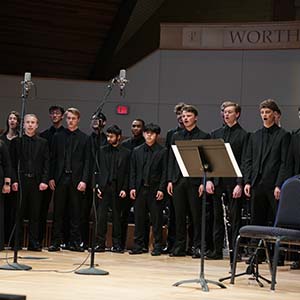
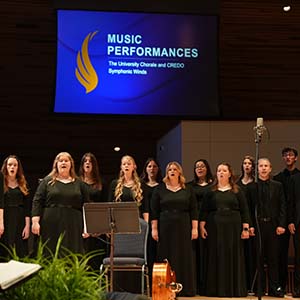
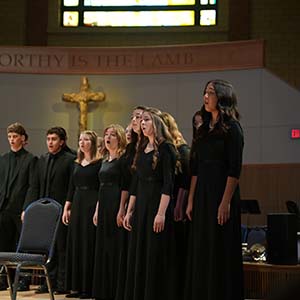
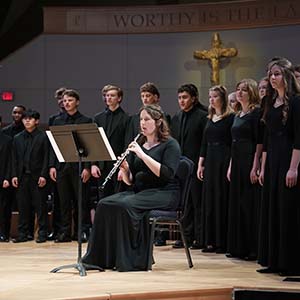
The Celebration of Scholarship on April 23, 2026, is an exciting annual campus-wide event that demonstrates student achievement through original research and creative work. Students share oral presentations, poster sessions, and musical performances carefully developed through hands-on inquiry and faculty mentorship across science, technology, the humanities, and the arts. Our students’ discipline and applied learning are on display for the community, family, and friends to celebrate their accomplishments. Outstanding student work is also recognized through monetary awards designated for each University School. Cornerstone University thanks this year’s sponsor TEKTON for providing scholarships to support academic success.
Join us for the Celebration of Scholarship at Cornerstone University on April 23, 2026.
|
Time
|
Activity
|
|---|---|
|
9–9:45 a.m.
|
Opening Ceremony (Christ Chapel)
|
|
10 a.m.–Noon.
|
Presentations (Various Locations on Campus)
|
|
12:15–1:15 p.m.
|
Lunch (Dining Commons)
|
|
1:30–2:30 p.m.
|
Music Performances (Christ Chapel)
|
|
3–5 p.m.
|
Presentations (Various Locations on Campus)
|
Submit a proposal to present your research or creative work through an oral or poster presentation. Partner with faculty sponsors to develop and share your original scholarship with the Cornerstone and broader community. Proposals must be submitted by March 6, 2026.
Both on-ground and online students are encouraged to participate. Proposal applications are due no later than March 6, 2026. The Celebration of Scholarship committee will review proposals, and students will receive confirmation of their project acceptance via email by March 22, 2026. At this time, students will also receive more information on how to prepare for their presentation.
Two presentation types exist for the day of the event: a poster presentation or an oral presentation.
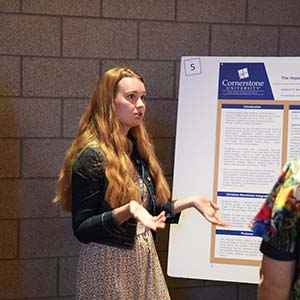
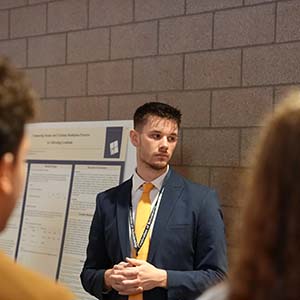
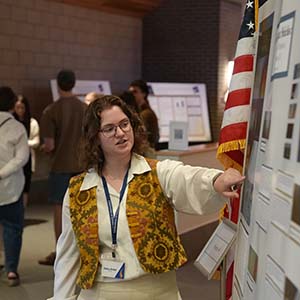
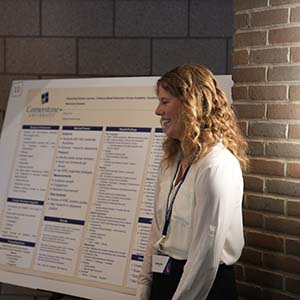
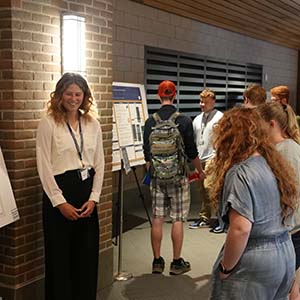
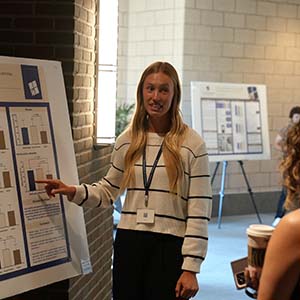
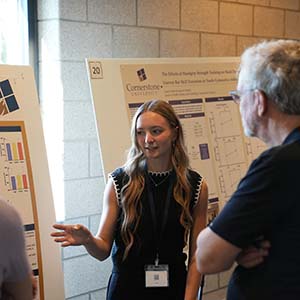
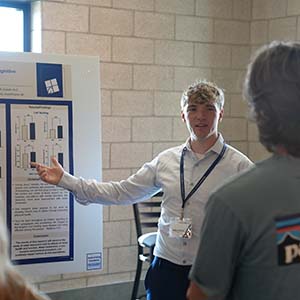
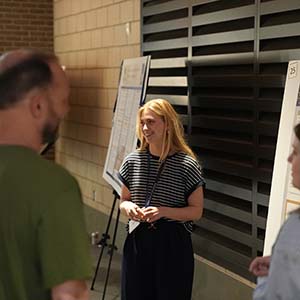
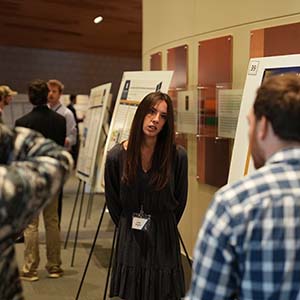
A poster presentation involves creating/printing/constructing a large poster with all the information from the project. A foam backing board (40″ by 60″) will be provided on which to hang the poster. The poster will be hung during the event, and the student(s) will be required to stand by the poster for approximately two hours (in the morning or afternoon) to present their work.
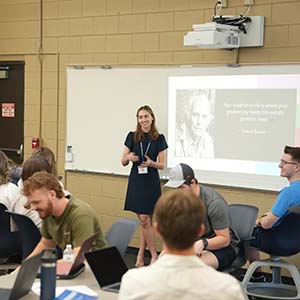
An oral presentation involves creating/constructing an electronic presentation on Microsoft PowerPoint, Canva, Prezi, etc. The student(s) will have a dedicated 10-15 minute time slot to present their work to an audience, which will be followed by a 5-minute question and answer session.
As a show of commendation for all the hard work done by students for Celebration of Scholarship, awards will be given to students with the most exemplary project/presentation in their particular University School. In order to be eligible for an award, the student(s) presenting must complete the award application linked below. There will be two monetary awards for each University School. The School-based awards are as follows:
Join us to support our students on this inspiring day of presentations and shared learning. Faculty, families, alumni, and community partners are invited to attend. RSVP by April 16, 2026
Location: Christ Chapel
Program: Business
Sponsor: Tom Caryl
Learning Management Systems (LMS) have become essential infrastructure in higher education, yet the relationship between course design and student engagement remains insufficiently understood. As universities increasingly rely on digital platforms to deliver instruction, the structure and organization of LMS courses play a significant role in shaping how students interact with learning materials. The purpose of this project is to examine how specific design elements such as content organization, navigation clarity, module sequencing, and resource accessibility affect patterns of student engagement within an LMS environment. This study uses a data‑driven methodology, analyzing anonymized system‑level metrics including login frequency, time spent in course modules, assignment access patterns, and interaction with instructional resources. Course design characteristics will be coded and compared against engagement indicators to identify trends that highlight which structural features support or hinder student participation. Preliminary observations suggest that courses with consistent layouts, clearly labeled modules, and streamlined navigation demonstrate higher engagement and fewer student support requests. Expected findings include a positive correlation between well‑structured course design and increased student interaction, as well as insights into which design practices most effectively promote sustained engagement. The conclusion of this project will offer practical recommendations for improving LMS course design to enhance learning experiences and reduce barriers to student success. By applying quantitative analysis to digital learning environments, this study contributes to ongoing conversations about instructional design and demonstrates the value of data‑informed decision‑making an approach that aligns closely with emerging practices in data science and educational analytics.
Location: Christ Chapel
Program: Psychology
Sponsor: Sergio da Silva
Academic satisfaction plays a critical role in college students’ motivation, persistence, and overall well-being. This study investigates whether the interaction between students’ trait of hopefulness and professors’ positive vs. negative feedback affects students’ academic satisfaction. Previous research suggests that the quality and usefulness of instructor feedback and students’ levels of hopefulness contribute to the overall well-being of college students and their academic satisfaction. The data for this study will be collected through online questionnaires that utilize a Hope Scale, an Academic Satisfaction Scale, as well as imaginative feedback scenarios.
Location: Christ Chapel
Program: Psychology
Sponsor: Sergio da Silva
Blatant dehumanization can be considered the root cause of social issues, such as discrimination and violent behaviors. Unfortunately, dehumanization is an understudied concept, despite its presence in society. Available literature suggests that the healthcare system, criminal-justice system, and immigration are areas where blatant dehumanization impacts policies and care of human beings. The literature also suggests a potential relationship between anxiety and blatant dehumanization although this has not been formally studied. Additionally, blatant dehumanization occurs in everyday life, including workplaces, and negatively impacts the well-being of individuals. This study aims to understand the impacts of trait anxiety and attitudes towards justice on levels of blatant dehumanization, so that the well-being of individuals can be improved.
The experiment uses a factorial design with two independent variables: trait anxiety and attitudes towards justice, which is divided into categories of fairness and liberty. Participants were emailed a link to one of two randomly assigned forms. Participants read five vignettes, from Moral Foundations Theory, related to social norms and five related to fairness or liberty. Then participants rated the behavior as right or wrong, their anger regarding the behavior, if the person should be punished, and the intensity of four types of blatant dehumanization. Trait anxiety was measured with the GAD-7. Approximately one hundred and twenty young adults will have their responses analyzed using descriptive and inferential statistics. We expect to find that the interaction between trait anxiety and attitudes towards justice will significantly affect how much people blatantly dehumanize the behavior of others.
Location: Christ Chapel
Program: Psychology
Sponsor: Sergio da Silva
INTRODUCTION: The purpose of this research is to examine the effect of positive or negative preaching about the Bible on one’s guilt and shame.
METHOD: We emailed 120 students, and we will assign consenting participants to three groups. The groups are positive preaching imagery, negative preaching imagery, and control imagery. All three groups will read a document with imagery of a church setting where the minister is using different language, depending on the type of imagery.
HYPOTHESIS: We hypothesize that the control group will show similar shame and guilt scores throughout the study. While, the positive and negative imagery will affect their guilt and shame scores.
Location: Christ Chapel
Program: Social Work
Sponsor: Sergio da Silva
In recent years, fast fashion has become a rapidly growing industry that meets the demand for
changing styles at affordable prices. Consumers are influenced by social media, peers, and
advertising platforms to purchase lower-quality clothing at low prices. At the same time, many
are aware of concerns surrounding fast fashion production, including environmental harm and
unethical labor practices. However, factors such as fear of missing out, enjoyment in
purchasing, and complacency toward sustainability may motivate consumers to buy despite
these concerns. By conducting a research experiment, this study explores attitudes toward fast
fashion and consumption, highlighting whether the interaction between self-esteem and
exposure to positive or negative ethical information causes a change in attitudes. Participants
include at least 120 young adult males and females aged 18–30. After providing informed
consent, participants complete a preliminary attitude assessment and are randomly assigned
to receive either positive or negative information regarding fast fashion. They then complete a
Collective Self-Esteem assessment followed by a repeat of the attitudes assessment. It is
expected that exposure to positive or negative information will influence participants’ attitudes
toward fast fashion, with self-esteem playing a role in how that information is evaluated.
Location: Christ Chapel
Program: Teacher Education
Sponsor: Pamela George
Purpose: This project looks at how evidence-based instructional strategies support students with mild to moderate disabilities within both inclusive and resource classroom settings. Oral language, reading, writing, mathematics, social-emotional skills, and behaviors are the common areas in which students experience difficulties, and these will affect both the students’ academic success and their ability to fully participate in the learning process. The primary goal of this project is to find the specific student needs within each of the mentioned areas and give practical, evidence-based strategies that teachers may use to help students.
Process: This project is based on the course readings and the different strategies that recent writing has provided on effective strategies for supporting students with mild or moderate disabilities in inclusive classrooms. It highlights one strategy for each of the required domains, including oral language, reading, writing, mathematics, social skills, and behavior, and links it to two evidence-based strategies and two examples for each of the strategies mentioned.
Expected outcome: I expect to see that students are best supported when the instructional process is structured, clear, and fitted to individual needs. Also, that growth in academic skills and social-emotional skills is connected, and progress in one area often shows growth in the other.
Significance: Teachers who understand and address their students’ needs, rather than labeling them, are more likely to be effective. Teachers who intentionally apply evidence-based strategies can create classrooms that support all students and give everyone opportunities to participate in learning and achieve academic success.
Location: Christ Chapel
Program: Engineering
Sponsor: Michael Greene
The Predator 212cc small engine offers a low-cost, hands-on learning environment that handles mechanicalengineering concepts. I expect to learn more about these concepts and optimize the power of the 212cc motor. The purpose of this project is to explore engine modifications along with mechanical efficiency. The ultimate goal is to transform a stock engine into a performance spectacle while maintaining structural safety. Mymethodology is documenting the assembly process and the implementation of performance upgrades. Then, performance will be measured through calculated power-to-weight ratios through theoretical top speed analysis, if not a dynamometer. I plan on doing this for each upgrade to the engine. I expect to see a significant percentage increase in horsepower through improvements, demonstrating the untapped potential of small-displacement engines. In conclusion, this project will provide a practical case study in thermal dynamics and mechanical assembly and prove the potential of small engines.
Location: Christ Chapel
Program: Exercise Science
Sponsor: James Sackett
BACKGROUND. Athletic performance may be influenced by not only physical training but cognitive strategies. Mental imagery has been shown to activate similar neural pathways to actual movement and improve performance across various sports. However, research on the acute effects of mental imagery in collegiate softball players is limited, with most studies investigating long-term interventions or combined training methods.
PURPOSE. Thus, the purpose of this study is to examine the acute effects of a single session of mental imagery, physical practice, and a control condition on hitting performance in collegiate softball players.
METHODS. 15 female NAIA softball players will complete a randomized crossover study with imagery practice, physical practice, and a control condition. Hitting performance (batted ball outcomes (a.u.), bat speed (mph), peak hand speed (mph), attack angle (degrees), power (kW), and on plane efficiency (percent)), imagery ability (a.u.), and hitting readiness and confidence (a.u.) will be measured. Conditions will be separated by at least 24 hours. Data will be analyzed using one-way repeated-measures ANOVA (α = 0.05).
EXPECTED RESULTS. It is expected that both guided mental imagery and physical practice will improve hitting performance compared to the control condition. Additionally, hitting readiness and confidence is predicted to be the highest for the imagery condition compared to physical practice and the control condition.
CONCLUSION. These findings are expected to support guided mental imagery as an effective short-term cognitive strategy for improving hitting performance and to provide insight into the role of individual imagery ability and psychological readiness in acute performance outcomes.
Location: Christ Chapel
Program: Exercise Science
Sponsor: James Sackett
BACKGROUND: Lactate accumulation and clearance are physiological responses to anaerobic exercise and are influenced by metabolic and muscular factors. Body composition, the balance between fat mass and fat-free mass, may affect lactate clearance. However, much of the existing research has focused on male subjects.
PURPOSE: The purpose of the study is to determine if body composition affects lactate clearance after high-intensity anaerobic exercise in females.
METHODS: 30 healthy females (18-45 years old) who are familiar with high-intensity exercise are being recruited by word-of-mouth. Body compositions will be assessed using air displacement plethysmography. Participants will be categorized based on body fat percentage [i.e., LOW (15- 21.2%), NORMAL (21.4-28.2%), and HIGH (29.1-41.1%)]. Following a standardized warmup, the subjects will complete a Wingate anaerobic test which consists of a 30-second, all-out cycle against 7.5% of their body weight. Blood lactate levels will be measured at baseline, and at 5, 10, 15, and 20 minutes post-exercise using a handheld lactate analyzer. Lactate responses for the three body fat groups will be compared using a two-way repeated measures ANOVA (p<0.05).
EXPECTED RESULTS: It is expected that participants in the HIGH body fat percentage group will exhibit slower lactate clearance in comparison to the NORMAL and LOW groups during recovery from anaerobic exercise.
CONCLUSION: These findings support the idea that body composition influences recovery following high-intensity anaerobic exercise in females. Understanding this relationship has practical implications, as excessive body fat may impact performance and recovery. Identifying an optimal body composition range supports anaerobic performance and lactate clearance.
Location: Christ Chapel
Program: Exercise Science
Sponsor: James Sackett
BACKGROUND: Both physiological and psychological factors affect performance. Self-perception and external support may be just as important for performance as physical training.
PURPOSE: To determine whether knowing the exact load on the barbell affects performance for college women during a barbell bench press at a load of 75% of their 3-repetition maximum (RM).
METHODS: Fifteen healthy female subjects will report to the exercise lab on three randomized occasions to complete three repetitions of 75% of their 3RM. The load on the bar will be concealed, and for each visit, the subjects are told they are lifting either 60% (LIGHT), 75% (CONTROL), or 90% (HEAVY) of their 3RM. However, the weight will be the same for each visit. Verbal cues will be used to tell them if it is LIGHT, CONTROL, or HEAVY. Metrics measured will be mean velocity (m/s), mean power (W), mean force (N), work (kJ), peak velocity (m/s), peak power (W), peak force (N), and rate of perceived exertion (a.u.). Repeated-measures ANOVAs will compare each dependent variable between trials.
EXPECTED RESULTS: It is expected that the subjects will have improved barbell metrics and higher RPE during HEAVY and worse barbell metrics and lower RPE during LIGHT when compared to CONTROL.
CONCLUSIONS: Overall, this study will provide insight into how mental perception and physical capacity intersect to influence strength performance. Applying these findings could help coaches develop verbal cues and perceived load strategies to increase athlete power output and explosivity while minimizing fatigue.
Location: Christ Chapel
Program: Exercise Science
Sponsor: James Sackett
BACKGROUND: Acute thermoneutral water immersion produces physiological improvements in healthy adults, evident with cognitive health, mood, and quality of sleep. However, the effects of repeated thermoneutral water immersion are less studied.
PURPOSE: We tested the hypothesis that repeated thermoneutral head out water immersion (HOWI) would improve measures of cognitive function in healthy adults. METHODS: Twelve healthy adults (age: 20.8±1.9 y; BMI: 22.4±3.7 kg/m²; M/F: 7/5) participated in this study. Each subject completed a pre-test (PRE) and a post-test (POST) with 12 immersion training visits (3x/week) in between. During PRE and POST, subjects completed three tests of cognitive function: the Dimensional Change Card Sort Test (DCCS) for executive function (computed score of accuracy and speed [a.u.]), the Flanker Test for executive function and attention (computed score of accuracy and speed [a.u.]), and the List Sorting Test for memory and cognitive work (raw score [# of correct responses]). Training visits involved sitting in thermoneutral water (34.96±0.31°) for 30 minutes. Data from PRE and POST were compared via a paired t-test.
RESULTS: The researchers hypothesize that subjects will show improvement in executive function, attention, memory, and cognitive work, from PRE to POST, in the DCCS, Flanker, and List Sorting tests as a result of undergoing the HOWI training.
CONCLUSION: The results of this research will advance the study of water immersion and its effects on brain health and function. Water immersion, a non-invasive and practical procedure, can positively impact various at-risk populations.
Location: Christ Chapel
Program: Nursing
Sponsor: Victoria Harrison
How Winter Months Affect the Mental Health of Michigan Residents
Abstract
BACKGROUND: Among Michigan residents during the winter seasons, reports of mental health symptoms are increased. Michigan’s winter months include minimal sunlight leading to lack of vitamin D, shorter days, and freezing temperatures, all of which contribute to poor mental health outcomes.
AIM STATEMENT: The purpose of this study is to explore research showing the association between increased mental health symptoms with Michigan winter conditions affecting all ages.
METHODOLOGY AND INTERVENTIONS: English, peer-reviewed, full-text, evidenced-based sources between 2021 and 2026 from CINAHL, Google Scholar, and JSTOR were utilized for this research. Key words were used such as “mental health issues in Michigan winters,” “seasonal mood changes,” and “lack of sunlight mental health.” MeSH terms were used such as “Seasonal Affective Disorder” and “Vitamin D Deficiency” and “Circadian Rhythm.” Articles were reviewed for relevancy to increased mental health concerns in Michigan winters.
RESULTS: When conducting research associated between increased mental health symptoms and Michigan residents during the winter months, it’s expected that decreased sunlight leads to vitamin D deficiency. Research may include how increased rates of mental health issues form due to shorter days, which alter circadian rhythms and sleep patterns. Freezing temperatures lead to self-isolation which harms cognitive functioning.
CONCLUSION: This research review put an emphasis on how lack of sunlight during the Michigan winters influences mental health. The expected findings will play a role in conducting evidence to bring awareness to mental health issues, and pose potential interventions to enhance mental health. Addressing this concern brings attention to promoting a better quality of life during the winter months.
Location: Christ Chapel
Program: Nursing
Sponsor: Victoria Harrison
BACKGROUND: Thanks to the many advances in healthcare and technology, more pre-term infants are surviving now than ever before. However, preterm birth and prolonged NICU stays have been associated with higher risks of negative long-term neurodevelopmental impairments, including cognitive, behavioral, and motor deficits.
AIM STATEMENT: This literature review examines the long-term developmental outcomes of pre-term birth and prolonged NICU stays on neonates. It will also highlight evidence-based practice changes to improve neonatal nursing care. Several studies that evaluated cognitive, behavioral, and motor impacts were assessed using the databases CINAHL and PubMed.
METHODS AND INTERVENTIONS: Common themes were identified, including cognitive, behavioral, and motor impacts in neonates following NICU stays.
RESULTS: We are expecting to find associations between preterm birth and/or prolonged NICU hospitalization with neurodevelopmental deficits.
CONCLUSION: Based on the expected findings, neonatal nurses should implement specific evidence-based practice changes to help decrease the risk of long-term neurodevelopmental deficits. These nurses can improve outcomes for their patients by implementing follow-up referrals, education, and patient-centered care.
Location: Christ Chapel
Program: Nursing
Sponsor: Victoria Harrison
BACKGROUND: Suicide remains one of the leading causes of death in the world, with increasing rates of suicidal ideation and attempts across different populations. Research highlights the nature of suicide risk, including social, cultural, psychological, and systemic contributors. Emergency departments (EDs) frequently provide care for individuals who are experiencing suicidal ideation, placing healthcare teams in a critical role for intervention and prevention. Despite growing awareness, variability persists in how suicidal patients are assessed and managed.
AIM STATEMENT: This literature review examines current evidence on emergency department-based interventions for suicidal patients and aims to identify best practices for improving care outcomes in patients who are presenting with suicidal ideation and/or a suicide attempt.
METHODS: The research consists of peer-reviewed journal articles, qualitative studies, systematic reviews, and global reports. Sources include clinical psychology and psychiatry literature, emergency care studies, and public health data from different organizations. We emphasized evidence-based prevention strategies, patient experiences in emergency department settings, and the outcomes of the interventions.
RESULTS: Findings indicate that suicide prevention requires a collaborative approach focusing on early identification of risk factors, prevention strategies, and clinical interventions. Safety planning combined with follow-up care reduces suicidal behavior compared to standard care. Studies within the ED emphasize the importance of patient-centered care, therapeutic communication, and continual support and follow-up.
CONCLUSION: The evidence and research support that suicide prevention strategies within the ED can reduce suicide risk. Interventions such as safety planning, provider communication, and follow-up support promote patient safety and increase survival rates.
Location: Christ Chapel
Program: Nursing
Sponsor: Victoria Harrison
ABSTRACT
BACKGROUND: Depression is a prevalent complication for patients who have undergone coronary artery bypass grafting (CABG) surgery and is associated with reduced quality of life and treatment adherence resulting in poorer overall recovery.
AIM STATEMENT: This project aims to educate healthcare professionals about the impacts of depression on patient postoperative outcomes, specifically after CABG surgery. The objective of our review is to identify proven evidence-based screening tools to reduce the incidence and severity of depressive symptoms and improve overall outcomes.
METHODS AND INTERVENTIONS: A comprehensive literature review was conducted using credible databases, including PubMed and CINAHL, to identify peer-reviewed journal articles on depression and coronary artery bypass grafting surgery (CABG). MeSH keywords used in the search included “Coronary Artery Bypass Grafting,” “Depression,” “Postoperative Depression,” and “CABG.”
RESULTS: Research consistently concludes high rates of depression both preoperatively and postoperatively in coronary artery bypass grafting (CABG) surgery, with rates ranging from 30-40% of CABG patients in our analysis. Research has also concluded that postoperative depressive symptoms are strongly linked to poorer recovery, increased morbidity rates, and worse long term functional outcomes. Additionally, research has emphasized that comprehensive screening, early detection, and timely evidence-based interventions are essential to decreasing the severity and prevalence of depression in this population.
CONCLUSIONS: Consistent psychological evaluation and timely supportive emotional care should be prioritized as key strategies for managing depressive symptoms and promoting optimal recovery in CABG patients. Implementing these interventions has the potential to significantly enhance both patient outcome and well-being.
Location: Christ Chapel
Program: Science
Sponsor: Justin Burdine
Dental caries is one of the most prevalent infectious diseases worldwide. The acidity of Streptococcus mutans is mainly responsible for cavities. Commercial toothpastes are formulated to inhibit the growth of oral bacteria and vary in their active ingredients and antibacterial efficacy. This study evaluated the antibacterial effects of commercial toothpastes against S. mutans using an agar well-diffusion assay. Wells were punched in brain heart-infused agar plates, and the agar plates were inoculated with S. mutans. After one hour of spreading the bacteria, each well was filled with one of the six toothpastes. The plates were incubated at 35 degrees Celsius for 24 hours, and then the inhibition zones were measured in millimeters. Each toothpaste was tested on thirty different agar plates to ensure the data was statistically reliable. Results indicate that Arm & Hammer toothpaste, which contained sodium bicarbonate and sodium fluoride as the main active ingredients, was most effective. On the other hand, Sensodyne, containing potassium nitrate and sodium/stannous fluoride as its main active ingredients, was the least effective. These findings portray the importance of specific active ingredients in inhibiting S. mutans growth within the oral microbiota.
Location: Christ Chapel
Program: Science
Sponsor: Nigel Crompton
This study examines cellular responses to toxic conditions using rapidly dividing Chinese hamster cells as an ideal model system. Anisomycin, a potent antibiotic and inhibitor of protein synthesis, will be used as the cytotoxic agent to investigate dose-dependent effects on cell survival. Although anisomycin is known to disrupt protein synthesis, the concentration thresholds associated with cellular toxicity in this model remain unclear. The objective of this study is to determine the toxicity range of anisomycin and construct a cell survival curve based on colony formation. Cells will be exposed to a series of anisomycin dilutions, and colony survival will be quantified by counting surviving colonies out of fifty following treatments. Survival data will be recorded across different concentrations to identify levels that allow partial or full cell survival. The hypothesis is that increasing Anisomycin concentration will result in reduced colony growth and increased cell death due to inhibition of protein synthesis. This research will contribute to understanding dose-response relationships in cultured cells and provide insight into mechanisms of drug-induced cytotoxicity.
Location: Christ Chapel
Program: Science
Sponsor: Nigel Crompton
Ochratoxin A (OTA) is a toxic compound produced by certain molds and is sometimes found in coffee beans. Since many college students drink coffee, a study of how this toxin affects living cells is highly relevant. Using Chinese hamster fibroblast cells, a colony formation assay is performed to measure how well the cells survived after exposure. First, plating efficiency is determined to ensure accurate survival calculations. Then serial dilutions of OTA are prepared, and measured amounts are added to flasks containing 50 cells in 5 mL of medium, creating defined working concentrations. After 7–10 days of incubation, colonies were stained and counted. The surviving fraction will then be calculated by comparing colony counts to the expected number of viable cells. Based on the background research, it is most likely that as the OTA concentration increased, colony formation decreased significantly. These results show that OTA reduces cell survival in a dose-dependent manner. This study will highlight the importance of food safety and demonstrate how small chemical exposures can have measurable biological effects.
Location: Christ Chapel
Program: Science
Sponsor: Nigel Crompton
Paclitaxel is a widely used chemotherapeutic drug that disrupts microtubule dynamics and interferes with mitosis, leading to cell cycle arrest and cell death in actively dividing cells. The purpose of this project is to investigate the cytotoxic effects of paclitaxel on Chinese hamster fibroblasts and to determine the concentration range at which cytotoxicity becomes evident. Cells will be treated with paclitaxel at concentrations of 100 nM, 10 nM, 1 nM, and 0.1 nM, and cell survival will be assessed relative to plating efficiency controls. Based on existing literature, paclitaxel-induced cytotoxicity is expected to begin near 10 nM, with increasing cell death observed at higher concentrations. Following analysis of initial dose–response results, additional experiments will be performed using a narrower concentration range to better define the cytotoxic threshold and generate a more precise dose–response curve. Overall, this study aims to characterize the concentration-dependent effects of paclitaxel on fibroblast cell survival and reinforce the importance of plating efficiency as a foundational measure for interpreting cytotoxicity data.
Location: Christ Chapel
Program: Science
Sponsor: Rob Keys
Within Cornerstone University’s campus pond, nutrient runoff and pollution pose an increasing problem to the pond’s biodiversity and water quality. In 2025, a research project was conducted by Fisher and Hurrle to identify areas of excess nutrient inflow into the watershed and to assess the water quality. Our project is a continuation of Fisher and Hurrle’s efforts of assessing and restoring the watershed as well as following and implementing their management plan. The restoration of Cornerstones watershed is especially important to restore the ecological balance within the pond so its aesthetic, educational, and ecological value increases.
Water quality data gathered at inflow points using a YSI water quality probe allowed Fisher and Hurrle to note specific inflow areas of the pond with high nutrient levels, indicating a higher priority of restoration. Riparian zones are a high priority due to their mitigation effects on nutrient inflow. Around the Northeast side of the pond the natural riparian zones that were already implemented were clearcut which increased our understanding of the importance of native riparian zones in correlation to water quality. Focusing on these areas, we have a management plan in place which has involved the removal of nonnative vegetative species and a planting of native species in specific areas of selected riparian zones. Water quality will continue to be monitored and assessed throughout the project with the hope of gaining a nutrient and ecologically balanced watershed.
Location: Christ Chapel
Program: Science
Sponsor: Rob Keys
Urban environments rely on balanced biotic and abiotic factors, and any disruption to these can alter how ecosystems function. We studied how abiotic factors in the Cornerstone University pond affect fish size and biodiversity. We collected abiotic data (pH, dissolved oxygen concentration, nitrate concentration, conductivity, and temperature) using YSI probes. We also collected bathymetric data using Secchi disks and a measuring pole to determine water depth, sediment depth, and total depth. Fish were collected using Tomahawk fish traps in Fall 2025 at 39 locations to determine size and species. Of the 715 total fish captured, 714 were Green Sunfish (Lepomis cyanellus). 94% of fish captured were between 5 – 15 cm. long. Our analysis using Spearman rank correlation, Kruskal-Wallis tests, and random forest classification showed water pH and depth (water depth – total depth – sediment depth) are the strongest indicators of fish size. The abiotic factors of pH and water depth are negatively impacting the ability of fish to thrive in the Cornerstone University Pond environment.
Location: Christ Chapel
Program: Media
Sponsor: Sodam Lee
Created for Drawing 2, this project required the creation of five stickers based on a chosen Biblical theme. I selected the parables from the Gospel of Matthew 13 because of their ability to share important Christian truths in only a few sentences. The purpose of this design was to visually communicate the message of each parable through my interpretation in design. To accomplish this, I created five interconnected sticker designs that form a cohesive image when placed together. I used geometric shapes to visually represent each parable in the order shown in Matthew 13. The result demonstrates how Biblical themes can be depicted through visual designs. This project highlights the ability to represent Biblical themes and make scripture more engaging through creative interpretation and design.
Location: Christ Chapel
Program: Psychology
Sponsor: Sergio da Silva
INTRODUCTION: This study examines the comparative effects of secular mindfulness and Christian meditation on gratitude levels among undergraduate students at Cornerstone University. Growing interest in contemplative practices across both religious and nonreligious contexts has raised important questions about whether spiritually grounded meditation produces different psychological outcomes than secularized mindfulness techniques. Gratitude, a construct linked to well-being, relational health, and prosocial behavior, provides a meaningful lens through which to evaluate these differences.
METHOD: Participants report to a designated classroom setting and complete a baseline gratitude scale along with initial physiological measures of heart rate and blood pressure. They are then randomly assigned to listen to either a secular mindfulness audio recording, a Christian meditation recording, or an educational control recording. Immediately following the intervention, participants’ heart rate and blood pressure are measured again, and they complete the same gratitude scale to assess changes in both psychological and physiological responses. The sample consists of Cornerstone undergraduate students aged 18 and older, and data collection is currently in progress.
HYPOTHESIS: This research is expected to contribute to a deeper understanding of how different contemplative practices influence gratitude and physiological regulation. Expected findings are that Christian meditation practices will yield greater increases in self-reported gratitude than will secular mindfulness.
BENEFITS: Potential benefits include insights for campus ministries, counseling services, and educators seeking various approaches to student wellbeing.
Location: Christ Chapel
Program: Psychology
Sponsor: Sergio da Silva
INTRODUCTION
Beliefs about capability and success can be influenced by personal identity and the environmental context. Athletes and non-athletes may differ in their perceptions of their ability to manage the demands of their daily lives. This study is designed to investigate whether the self-efficacy of student-athletes and non-athletes differs between busyness and non-busyness. It aims to determine whether participation in structured college activities is associated with higher perceived capability and motivation than among those with lower involvement.
METHOD
We are recruiting 120 Cornerstone University students, 60 non-athletes, and 60 varsity athletes who will complete a survey. 30 non-athletes and 30 varsity athletes are randomly assigned to the control group, who are given a scenario in which they imagine they are on their least busy day. The other 60 participants are assigned to the manipulation group, which is given a scenario in which they imagine they are on their busiest day.
EXPECTED RESULTS
Athletes are expected to report higher perceived capability and success than non-athletes, suggesting that the environment plays a role in shaping self-beliefs and informing potential academic support interventions.
Location: Christ Chapel
Program: Psychology
Sponsor: Sergio da Silva
Friendships play a vital role in psychological well-being, yet they are often disrupted by experiences of rejection, which threaten an individual’s sense of belonging and self-worth. Forgiveness serves as a key mechanism for repairing relational damage, but it is not unconditional and may depend on underlying moral values. Our experimental study examines how experiences of rejection and moral foundations, specifically fairness and liberty, interact to predict forgiveness within friendships.
Participants (approximately N = 120) will complete an online survey consisting of demographic questions, an experimental rejection manipulation, moral foundation priming, and a standardized forgiveness scale. Participants will be randomly assigned to either a rejection condition, in which they imagine receiving a negative response from a friend on a social media post about a concept that is meaningful to them, or a control condition involving a neutral response. Moral foundations of fairness and liberty will be primed using scenario-based questions. Participants will then read vignettes describing violations of fairness or liberty, and the study will measure the extent to which participants indicate they would forgive those violations.
It is hypothesized that experiences of rejection will significantly influence forgiveness outcomes and that this relationship will be moderated by fairness and liberty orientations. Specifically, higher endorsement of fairness and liberty is expected to predict more conditional or proportional forgiveness following rejection. This study aims to contribute to the understanding of how moral reasoning shapes forgiveness processes in the context of threatened belonging within friendships.
Location: Christ Chapel
Program: Psychology
Sponsor: Sergio da Silva
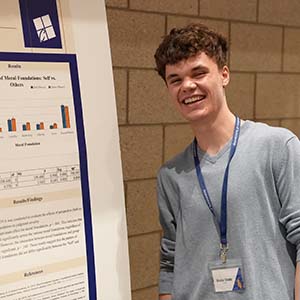
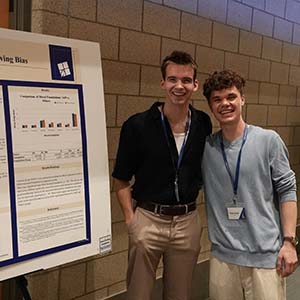
BACKGROUND: Self-serving bias refers to when someone claims all of their successes and blames their failures on others, and it interferes with our moral judgement. This bias often interferes with our personal judgement and can vary across multiple different types of morality.
PURPOSE: The purpose of this study is to investigate the effect of self-serving bias and how it varies across multiple moral foundations. For this study, we recruited college students.
METHODS: Students who accept the terms and conditions of our test will be given a brief survey where they are to rank moral violations on a likert scale ranging from “wrong” to “right”. We will assign participants randomly to either judge moral violations of themselves or of others. The relationship between self-serving bias and moral foundations will be analyzed using a mixed factorial analysis of variance.
RESULTS: Participants will rate morally questionable actions as less wrong when they imagine themselves committing them compared to when they evaluate others committing said actions.
Location: Christ Chapel
Program: Social Work
Sponsor: Sergio da Silva
Background: Current research suggests that significant disparities exist between Hispanics and Non-Hispanics in attitudes toward receiving mental health services. Purpose: The purpose of this study is to compare attitudes toward using mental health services between Hispanic/Latino and non-Hispanic/Latino adults. Specifically, this research aims to examine to what extent perceived stigma, acculturation, and ethnicity explain the variability of attitudes toward receiving professional mental health services. The research design of this study is quasi-experimental, and the data will be analyzed using multiple regression. The research hypothesis is that Hispanic/Latino adults will have more negative attitudes toward seeking mental health services due to stigma and acculturation. Method:To test this, data will be collected from 100 participants (50 Hispanic/Latino and 50 non-Hispanic/Latino adults) using validated questionnaires. Participants will be recruited through community organizations and local social groups that serve diverse populations. Participation is voluntary; a general informed consent form will be provided to all participants prior to administering the questionnaires. Data Analysis: The collected research data will be analyzed and displayed clearly on a poster for the Celebration of Scholarship. This study will help researchers better understand the factors that influence mental health service use among diverse populations, which may guide future culturally responsive interventions and reduce mental health disparities. Expected Findings: Results are expected to suggest that stigma, ethnicity, and acculturation factors play a critical role in help-seeking behaviors and may present unique barriers for the Hispanic/Latino community.
Keywords: Latino, non-Latino, mental health services, attitudes, stigma, cultural beliefs, variability.
Location: Christ Chapel
Program: Computer Science
Sponsor: Ben Groseclose
Background Information: Many recreational golfers rely on memory or general impressions to evaluate performance, making it difficult to identify consistent patterns or areas for improvement. While professional golfers often use advanced analytics, accessible and structured performance tools for everyday players remain limited.
Purpose: The purpose of this project was to develop LevelUp Golf, a cross-platform mobile application that enables golfers to intentionally track shot data and receive actionable insights to improve strategic decision-making and consistency.
Methodology: The application was developed using the React Native Expo framework to support both iOS and Android devices. Firebase was integrated for user authentication and cloud-based data storage. Users log shot details such as strategy, intended distance, wind direction, ball lie, trouble areas, and emotional state. The system incorporates structured data collection, state management, cloud persistence, and personalized insight generation. Summary of
Findings: Initial testing demonstrates successful multi-round data tracking and the generation of meaningful performance insights through the ShotSense feature and integrated rangefinder functionality. Conclusion: LevelUp Golf bridges the gap between raw shot data and actionable improvement, promoting more strategic, reflective, and consistent golf performance.
Location: Christ Chapel
Program: Engineering
Sponsor: Michael Greene
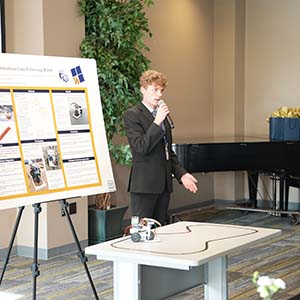
We were challenged in our EGR 185 class to design, code, and assemble a robot capable of autonomously following a line through a maze in the shortest possible time. This project applied several engineering principles learned in class, including evaluating customer needs, establishing design specifications, and developing potential design concepts.
Our team completed three major design iterations. The first was the prototype phase, where the main goal was to create a basic system that could move and detect the line. During this stage we focused on testing the motors, sensors, and initial code to ensure the robot could follow the path.
The second iteration moved the design closer to a final configuration. In this phase we refined the chassis layout and drive train. After these improvements, the overall body and drive system remained mostly unchanged.
The final iteration focused on optimizing performance. We made small adjustments to the body, modified the steering system to improve control, and reorganized the component layout for better efficiency and reliability. These refinements helped the robot navigate the maze more accurately and quickly.
Location: Christ Chapel
Program: Exercise Science
Sponsor: James Sackett
BACKGROUND: Nootropics are naturally occurring substances that enhance physical and cognitive performance, motivation, and mood over a long duration of supplementation. However, the acute effects of a single dose of nootropics remain less studied.
PURPOSE: The purpose of this study is to examine the acute effects of a nootropic smoothie (NO) on cardiorespiratory endurance, exercise motivation, mood, and perceived exertion when compared to a placebo smoothie (PL).
METHODS: We conducted a randomized crossover design investigation with fifteen healthy college aged males and females. Subjects completed two randomized experimental conditions in which they consumed either the NO or PL 1 hour prior to a graded exercise test (GXT). After the smoothie was ingested, participants performed a GXT where maximal oxygen uptake (VO2 max) was measured to assess maximal cardiorespiratory endurance (ml/kg/min). Motivation was calculated using a Relative Autonomy Index (RAI, a.u.) scale. Mood was assessed using a Visual Analog Scale (VAS, a.u.). Perceived exertion was assessed using the Borg Rate of Perceived Exertion (RPE) scale (a.u.). A paired t-test was run for each variable to compare the two trials.
EXPECTED RESULTS: It is expected that subjects will exhibit higher VO2 max values, greater exercise motivation, improved mood, and lower perceived exertion during NO when compared to PL.
CONCLUSIONS: This study aims to give insight into whether acute nootropic supplementation can positively affect both physiological and psychological factors of performance, giving us a better understanding of their performance enhancing and cognitive benefits.
Location: Christ Chapel
Program: Exercise Science
Sponsor: James Sackett
BACKGROUND: Sodium bicarbonate is an ergogenic aid that offsets the accumulation of hydrogen ions and acidosis during anaerobic exercise through a buffering system. It breaks down in the blood to provide bicarbonate ions that serve as a vital component to the extracellular buffering system of the body.
PURPOSE: The purpose of this investigation is to compare the ergogenic and gastrointestinal (GI) effects of a hydrogel-based sodium bicarbonate formulation (BICARB) to that of a sugar-pellet gel-based placebo (PLAC). METHODS: 8 male and 7 female collegiate cross country runners will participate in a randomized single-blind, placebo-controlled, crossover design with a time to exhaustion (TTE) test on the treadmill based on maximal volume of oxygen consumed (VO₂ max). Subjects will ingest the appropriate formulation (BICARB or PLAC) two hours prior to the exercise test. TTE (minutes), VO₂ max (mL/min/kg), heart rate (HR) max (bpm), ventilation (VE) max (L/min), respiratory quotient (RQ) max (a.u.), and gastrointestinal (GI) effect (a.u.) will be collected at the end of and following the exercise test. The alpha of significance is set at p<0.05. Data will be analyzed with a one-tailed paired-samples t-test .
EXPECTED RESULTS: It is hypothesized that during BICARB as compared to PLAC, TTE times will increase, HR max, RQ max, VE max, and VO₂ max will remain unchanged, and GI effects will decrease.
CONCLUSION: This study seeks to evaluate hydrogel-based sodium bicarbonate as an ergogenic aid and may provide insight into its practical application for athletes participating in high-intensity sport performance.
Location: Christ Chapel
Program: Exercise Science
Sponsor: James Sackett
BACKGROUND: Increased handgrip strength is associated with improved hand dexterity in various populations, particularly older adults. However, minimal research has been conducted on the benefits of handgrip strength in youth populations.
PURPOSE: The purpose of this study was to examine the influence of a grip-specific training program on uneven bar skill execution and hand dexterity for youth gymnastics athletes.
METHODS: Twelve competitive youth gymnasts (age: 10.8 ± 2.3 years, BMI: 19.2 ± 4.1 kg/m2, sex: 12 females) completed pre-testing (PRE) involving maximal tap swing execution (reps), the Purdue Pegboard test (pegs), a hand dynamometer maximal grip strength assessment (kg), and a maximal static hang (s). The gymnasts then completed an eight-week grip-specific training program, with three sessions a week and three sets of five exercises each session, in addition to standard gymnastic conditioning. Grip-specific exercises included farmers’ carries, ball squeezes, and wrist curls, among others. After eight weeks, all participants repeated the initial assessments (POST). Change comparisons (PRE to POST) were made using a one-tailed paired Wilcoxon T-test. RESULTS: Maximal tap swing execution increased from PRE (10.58 ± 4.52 reps) to POST (12.58 ± 6.76 reps, p=0.033). Purdue Pegboard results also improved for Right Hand (p=0.013), Left Hand (p=0.008), Both Hands (p=0.02), and Assembly (p=0.006) categories. However, there were no significant differences in PRE vs. POST Hand Dynamometer results (p=0.36) or Static Hang results (p=0.36).
CONCLUSION: Grip-specific strength and endurance training leads to increased ability for youth gymnasts to maintain grip on the uneven bars apparatus, allowing gymnasts to sustain prolonged skill execution. Furthermore, grip-specific training improves hand dexterity and fine motor skills in youth populations.
Location: Christ Chapel
Program: Exercise Science
Sponsor: James Sackett
BACKGROUND: Rotational vestibular stimulation has been shown to support regulation and comfort in individuals needing sensory input for self-soothing. It is unknown how different types of acute vestibular stimulation affect subjective self-reported regulation and physiological responses in healthy adults.
PURPOSE: This investigation will examine changes in the participants’ subjective systems and physiological reactions with three different acute vestibular motion exposures.
METHODS: Fifteen healthy adults will complete three randomized experimental conditions for two minutes: Control, Linear stimulation, and Rotational stimulation. Physiological data, including heart rate (HR, bpm) and mean arterial pressure (MAP, mmHg), will be collected before and after each exposure using an automatic sphygmomanometer. Subjective responses, including Simulator Sickness Questionnaire (SSQ) scores and Visual Analog Scale (VAS) ratings, will be collected via Likert-type scales. Data will be reported as mean ± standard deviation and analyzed using two-way repeated-measures ANOVAs.
EXPECTED RESULTS: Rotational stimulation is anticipated to elicit higher VAS and SSQ scores due to dizziness, with lower MAP and HR compared to Linear stimulation and Control.
CONCLUSIONS: These findings may indicate that Rotational stimulation places lower demand on the autonomic nervous system, causing a calming effect in the subjects. By researching and understanding different types of stimulation, results may lead clinicians to use Rotational stimulation as intervention strategies in schools, outpatient clinics, and rehabilitation hospitals.
Location: Christ Chapel
Program: Nursing
Sponsor: Victoria Harrison
BACKGROUND: Anxiety disorders are an extremely prevalent mental health concern affecting
children and adolescents. Family dynamics play a significant role in shaping emotional
development in pediatric and adolescent populations.
AIM STATEMENT: This study intends to find the relation between poor family dynamics and
the development of anxiety in this population. The purpose of this project is to examine peerreviewed articles examining the effects of family dynamics on the pediatric and adolescent population. This review aims to identify patterns, risk factors, and protective factors within
family systems that influence anxiety outcomes.
METHODOLOGY: Systematically reviewing peer-reviewed articles examining the relationship between family dynamics and anxiety levels in children and adolescents. Collect criteria from sources such as CINAHL, PubMed, and Google Scholar. Inclusion criteria must consist of peer-reviewed articles focusing on populations aged 18 years and younger and on
measurable aspects of family function related to anxiety.
SUMMARY: Expected findings are that a dysfunctional family dynamic will increase the risk of anxiety in pediatrics and adolescents. Along with social factors present in the family’s life, there will also be a significant effect on the child and adolescent’s development of anxiety.
CONCLUSION: Family dynamics will significantly influence the development and maintenance of anxiety in children and adolescents. Understanding relational factors can inform
prevention strategies and family-centered interventions to promote children and adolescents’
psychological well-being.
Location: Christ Chapel
Program: Nursing
Sponsor: Victoria Harrison
BACKGROUND: Aggressive medical interventions in the last 30 days of life, including intensive care unit (ICU) admission and mechanical ventilation, remain common among older adults with advanced life-limiting illness. Despite evidence that many patients prefer comfort-focused care, hospice services are frequently initiated late, limiting their potential benefit. Early hospice referral has been proposed as a strategy to improve quality of death while reducing unnecessary high-intensity care.
AIM STATEMENT: The purpose of this integrative literature review is to examine whether early hospice referral reduces aggressive interventions, specifically ICU admission and intubation, during the final 30 days of life in adults aged 65 years and older.
METHODS AND INTERVENTIONS: A systematic search of CINAHL, PubMed, and Miller Library will be conducted using key terms including “early hospice referral,” “end-of-life care,” “ICU utilization,” and “aggressive care.” Peer-reviewed quantitative and mixed-methods studies published within the past ten years will be included.
RESULTS: It is anticipated that the literature will demonstrate an association between earlier hospice enrollment and decreased ICU utilization, fewer invasive interventions, and improved alignment of care with patient goals.
CONCLUSIONS: This project aims to clarify the relationship between referral timing and intensity of care at the end of life and to inform nursing practice by identifying opportunities to promote timely hospice discussions and goal-concordant care.
Location: Christ Chapel
Program: Nursing
Sponsor: Victoria Harrison
BACKGROUND: Hope is necessary for human survival. Patients need hope to identify what they are looking forward to and what helps them strive towards that goal. When caring for patients as a Registered Nurse, hope is an essential assessment.
PURPOSE: Understanding the high importance of hope in Christianity helps design the relevance in nursing practice. The purpose of this project is to establish evidence-based nursing guidance on how to assess and implement hope in a patient’s care and improve a greater holistic approach in the intensive critical care environment.
METHODOLOGY: To begin defining hope, we will consult PubMed and CINAHL for scholarly articles on the current use of hope in patient care and where there are gaps in this research. Furthermore, we will evaluate studies on hope to define a best practice method in assessing and implementing hope within the nursing field.
EXPECTED OUTCOMES: The expected outcomes of this research are to report best practice guidelines that nurses implement naturally to assess and integrate hope into a patient’s plan of care. These guidelines are able to be used, not just in one area of nursing, but across all fields of nursing, from hospital-based to family practice.
CONCLUSION: When hope is integrated into a patient’s plan of care, it can foster peace and comfort in the presence of uncertainty, whether a patient is in recovery or decompensating. Hope gives a patient an individualized plan of care and provides an opportunity to extend a higher level of support.
Location: Christ Chapel
Program: Science
Sponsor: Justin Burdine
Staphylococcus aureus is one of the leading healthcare acquired infections. The persistent carriage rate is 15% of the general population up to 80% in certain populations, corresponding to healthcare workers and immunocompromised individuals (Taylor and Unakal 2025). Healthcare students, who frequently rotate through clinical environments may serve as unrecognized reservoirs for both MSSA (Methicillin-sensitive Staphylococcus aureus) and MRSA (Methicillin-resistant Staphylococcus aureus). However, few studies have examined colonization patterns in undergraduate healthcare students or the factors associated with carriage. We aimed to determine the prevalence of S. aureus nasal carriage in subjects with experience in healthcare and the factors that may contribute to this increased spread (length of employment, field of medicine, etc.). This study was conducted using microbial plating on Mannitol Salt Agar for all samples and an S. aureus instant test for double validation of all positive results. We found that students with healthcare experience carried S. aureus at a 15.6% rate. Qualitative findings indicated that most positive cases reported direct patient contact, inconsistent PPE use, and work in high-acuity settings such as hospitals and long-term care facilities. These findings suggest that early clinical exposure and inconsistent protective practices may contribute to nasal colonization among healthcare-major students, showing the importance of infection-control education before professional practice.
Location: Christ Chapel
Program: Science
Sponsor: Nathan Lanning
In order to maintain homeostasis and a stable metabolism, Wnt signaling plays a central role in regulating diverse cellular processes. Many of these processes are dependent on coordinated metabolic reprogramming, therefore it is evident that Wnt has the potential to alter cellular metabolism. Wnt signaling is known to drive significant cellular changes, however the specific effects of Wnt ligand–Frizzled receptor interactions on the metabolism of cells remain unclear. The purpose of this study was to test if significant alterations in metabolic pathways occur when regulated by Wnt9a-Fzd9b signaling. Human kidney cells overexpressing Fzd9b were cultured in normal and U13C glucose, both were tested overnight with mock and Wnt9a stimulants. After 24 hours, targeted metabolomics focusing on central carbon metabolism (CCM) was performed to assess and quantify metabolic pathway changes. This metabolic data was then taken and tested by three different statistical analyses (Traditional, Metaboanalyst, and AI Driven). These methods allow us to determine whether metabolic pathways are significantly regulated by Wnt9a-Fzd9b signaling. We found that Wnt9a/Fzd9b signaling induced alterations in discrete metabolic pathways associated with specific cellular processes. We concluded that CCM or specific aspects of CCM, are directly regulated by distinct Wnt9a/Fzd9b signaling.
Location: Christ Chapel
Program: Science
Sponsor: Nigel Crompton
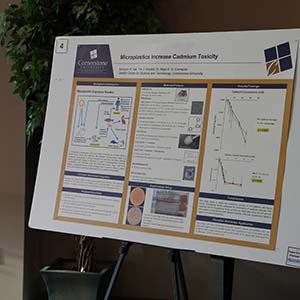
Microplastics (MPs) are an emerging environmental contaminant with major health concerns because of their ability to carry toxic pollutants, including heavy metals like cadmium (Cd), and their widespread presence. Both polyethylene microplastics and cadmium independently induce DNA damage, oxidative stress, and reduce cell viability. It remains unclear whether polyethylene enhances cadmium cytotoxicity and whether antioxidants can mitigate these combined effects. Kojic acid has established antioxidant and radioprotective properties. It is evaluated here for its protection of MP-associated heavy metal toxicity. This study examines the cytotoxic effects of cadmium chloride and polyethylene microplastics on Chinese hamster V79 fibroblast cells and investigates whether kojic acid enhances cell survival following combined exposure. Colony-forming assays were performed following 7–10 days of incubation post-exposure, and cell survival curves determined. The curves were analyzed using the log-rank test to establish significant detrimental or beneficial effects of treatments on survival. Cell survival curves were determined for V97 fibroblast cells exposed to radiation, radiation with kojic acid, cadmium, polyethylene, cadmium with polyethylene, and cadmium with polyethylene and kojic acid. This study demonstrates the interactive toxicity of MPs and heavy metals and demonstrates whether kojic acid possesses measurable protection against combined polyethylene-cadmium cytotoxicity. Findings from this study enhance understanding of MP-mediated pollutant transport and identify potential therapeutic strategies for mitigation of damage induced by modern environmental contaminants.
Location: Christ Chapel
Program: Science
Sponsor: Nigel Crompton
Sodium Fluoride is one of the most prominent active ingredients in toothpaste, helping prevent tooth decay by remineralizing enamel. However, concentrations need to be high enough to inhibit cavity-causing bacteria yet not so high as to damage the oral cavity at the molecular level, which is important for determining safe levels of sodium fluoride against cellular activity. In this study, we evaluated the cytotoxic effect of sodium fluoride on the growth of Chinese hamster lung cells. The cells’ sensitivity to sodium fluoride’s cytotoxic effects will be evaluated by exposing them to various concentrations. The concentrations at which sodium fluoride begins to cause necrosis will be compared with the doses to which humans are exposed when brushing their teeth with toothpaste. Once all trials are complete, data will be collected and analyzed using ANOVA and a post hoc test. Ultimately, these findings will help identify safe concentrations for use in toothpastes to prevent necrosis of healthy oral cavity cells and best support overall oral health.
Location: Christ Chapel
Program: Science
Sponsor: Nigel Crompton
Cytotoxic chemotherapeutic agents are widely used in cancer treatment due to their ability to inhibit cell proliferation and induce cell death. In this study, the cytotoxic effects of Cisplatin were investigated using Chinese hamster fibroblast cells in vitro. Cisplatin is a platinum-based chemotherapeutic drug known to interfere with DNA replication and transcription, ultimately leading to cell death. A clonogenic assay was used to evaluate the long-term survival and proliferative capacity of cells following treatment. Chinese hamster fibroblast cells were cultured and exposed to a series of cisplatin dilutions prepared from a 1 M stock solution. Working concentrations included 100 mM, 10 mM, 1 mM, and 100 µM. After treatment, cells were allowed to grow for a defined period of 7-10 days to permit colony formation. Colonies were then assessed to determine the surviving fraction of cells at each concentration. The clonogenic assay allows for the measurement of reproductive cell death and provides insight into the long-term cytotoxic effects of chemotherapeutic agents. Data from this experiment will be used to evaluate the dose-dependent effects of cisplatin on fibroblast survival and to determine the relationship between drug concentration and colony-forming ability. This study contributes to understanding how varying concentrations of cisplatin influence cellular viability and proliferative capacity in cultured mammalian cells.
Location: Christ Chapel
Program: Science
Sponsor: Rob Keys
Sediments at the bottom of lakes can store bacteria such as E. coli and fecal coliforms. When sediment is disturbed by activities such as swimming or boating, these bacteria can be released into the water, potentially increasing health risks. This study examines whether disturbing lake sediments increases bacterial levels compared to undisturbed surface water from the same location. Water samples were collected from six lakes in Kent County, Michigan. At each site, undisturbed surface water and sediment-disturbed water were tested for bacterial concentrations. Results showed no significant differences in E. coli, fecal coliform, and total coliform colonies between disturbed sediments and undisturbed water. Given the data we collected, there is not enough paired data to conduct a significance test, as the p-value is 0.25.
Location: Christ Chapel
Program: Science
Sponsor: Rob Keys
Chronic kidney disease (CKD) is a morbid condition associated with a high risk of death. Diabetes and hypertension are the most common causes of CKD, and preventing CKD will benefit patients and society. Prior studies have linked a higher dietary acid load, quantified by a higher urinary ammonium (NH4+) level, with progression to kidney failure in patients with CKD. We previously showed that higher NH4+ was associated with higher urinary levels of transforming growth factor-beta1 (TGF-beta1), a measure of kidney fibrosis, in patients with CKD. This study aimed to expand this finding to patients without CKD. We studied 184 US veterans with diabetes and/or hypertension but no history of CKD. Urinary NH4+ was measured via formalin-titration and urinary TGF-beta1 and kidney injury molecule-1 (KIM-1), a marker of kidney tubule damage, were measured by enzyme-linked immune-sorbent assay. We performed log-log linear regression model to determine the association between urinary NH4+ and urinary TGF-beta1 and KIM-1 after adjusting for age, sex, body mass index, systolic blood pressure, estimated glomerular filtration rate, urine albumin/creatinine, hemoglobin A1c, cardiovascular disease, and urine creatinine (to account for urinary concentration). After adjustment, urinary NH4+ was positively associated with urinary KIM-1 and TGF-beta1. Each 1% increase in urinary NH4+ was associated with 0.5% (95% CI, 0.2-0.9, p=0.01) higher urinary KIM-1 and 0.8% (95% CI, 0.1-1.6, p=0.04) higher urinary TGF-beta1. Our results suggest that higher urinary NH4+ is associated with kidney damage in individuals at high-risk for CKD. Interventions that lower urinary NH4+ by lowering dietary acid load could be a useful strategy to prevent CKD in high-risk individuals.
10 a.m. – 10:30 a.m.
Location: Gainey AB
Program: Science
Sponsor: Justin Burdine
Time: 10:00 AM – 10:30 AM
Many exotic animals in Mexico (including exotic birds, fish, and native wildlife species) are experiencing significant population declines, directly affecting the country’s ecosystems, economy, and overall environmental health. This presentation explores one of the primary drivers behind this decline, the illegal pet trade, and examines the multifaceted impacts it has on Mexico.
The illegal pet trade in Mexico presents a complex and controversial issue. On one hand it contributes to biodiversity loss, ecosystem disruption, and environmental instability On the other hand, this trade also has substantial economic implications, as the trade generates income for certain sectors, both formal and informal, making this a complex and controversial issue. This presentation will analyze environmental, economical, and social research related to the illegal pet trade in Mexico in order to evaluate its broader consequences and long-term sustainability.
Location: Faber 115
Program: Media
Sponsor: Daniel Deal
Time: 10:00 AM – 10:30 AM
This project presents a behind‑the‑scenes look at the collaborative process of creating the Cold December music video, focusing on the unique dynamic between student filmmakers and professional artists. The background of the project comes from the opportunity for students to work directly with musicians, gaining hands-on experience while contributing meaningfully to a real creative production. The purpose of the BTS video is to highlight how both groups learned from one another and how the artists’ reflections on the song shaped the filming experience.
The methodology involved interviewing both the students and the artists to capture their perspectives on collaboration, communication, and creative problem solving. The BTS video also features the artist’s insight about the meaning behind Cold December, explaining the emotional and spiritual themes that guided their performance and influenced the visual direction. Students reflected on stepping into a professional workflow, adapting to the artists’ needs, and translating musical emotion into visual storytelling. The artists described what it was like to work with emerging filmmakers, highlighting the fresh ideas, enthusiasm, and adaptability students brought to the set.
The expected findings include a deeper understanding of how cross‑generational creative partnerships strengthen artistic outcomes, how students grow through real‑world production challenges, and how hearing the artists’ intentions enriches the final video. The BTS ultimately reveals the value of collaboration, communication, and shared purpose in producing meaningful media.
In conclusion, this project demonstrates how behind‑the‑scenes storytelling can illuminate the relational and artistic processes that shape a finished music video.
Location: Daverman 112
Program: Creativity and Innovation
Sponsor: Don Perini
Time: 10:00 AM – 10:30 AM
Fidgets toys have steadily grown in popularity over the last decade. Thus, our research sought to investigate the question, “do fidget toys really improve concentration?” Our presentation examined four research studies (Tools or Toys? The Effect of Fidget Spinners and Bouncy Bands on the Academic Performance in Children with Varying ADHD-Symptomatology; The Effects of Fidgeting on Student Concentration Levels; Designing for Focus: A Mixed-Methods Exploration of Fidget Toys; The Effects of Fidgets on Attention and Learning of College Students) to determine if fidget toys improve concentration.
10:30 a.m. – 11 a.m.
Location: Gainey AB
Program: Science
Sponsor: Justin Burdine
Time: 10:30 AM – 11:00 AM
Shrimp is a high-value economic good in Mexico. With over one million metric tons produced per year, Mexico is a leader in the global shrimp industry. Sinaloa is Mexico’s most productive state, with over 12,000 metric tons of Blue Shrimp harvested alone. Although humans have benefited from the Gulf of California’s shrimp population since Pre-Columbian times, commercial shrimp trawling began relatively recently. Its consequences, however, are far-reaching both economically and environmentally. While the total yields increase significantly, massive amounts of bycatch occur, which significantly harms the Gulf of California’s biodiversity. This presentation will speak of the history of Mexico’s Shrimp Trawling industry in the Gulf of California, its current economic value and effects on the environment, as well as how Mexico’s regulations against overexploitation relate to the United States and the rest of the world.
Location: Faber 115
Program: Media
Sponsor: Daniel Deal
Time: 10:30 AM – 11:00 AM
This presentation is the result of an on going project in which we collaborated with a local Christian artist to produce and film a music video. Its conception, filming, and producing started in Film/Video 2 and Audio Production 2 and has been edited and finalized in Advanced Production 2. I aim to use this presentation to showcase the process that goes into making a professional production and to demonstrate the collaborative process of working with clients, dancers, and other classes within CU’s media program. When making this project, we worked closely with the artist and dancers over the span of several months to come up with a compelling Christian story to tell through the music video. We organized and scheduled 2 days of shooting at a local church with all of our talent after a few weeks of location scouting. While organizing the logistics, I learned how to work with clients who may want differing creative results and how do deal with miscommunication and misunderstandings in a gracious and Christ-like manner. Over the days of shooting, my team and I learned how to work efficiently and professionally, working together as one and following through on our respective roles. I learned how to operate professional equipment and how to work with others in a professional manor. Through my experiences I hope to showcase what cornerstones media program actually does, inspire students who may be considering going into media, and to demonstrate how to represent yourself in a professional and Christian manner.
Location: Daverman 112
Program: Creativity and Innovation
Sponsor: Don Perini
Time: 10:30 AM – 11:00 AM
This session will examine how design thinking tools can be used to discover one’s vocation. The presentation will define vocation, explore three design thinking tools, and how these tools can assist someone to pursue a calling that furthers the Kingdom of God. Research is backed by design thinking and vocation experts such as Wadell and Pinches, authors of Living Vocationally, Dave Evans and Bill Burnett, authors of Designing Your Life, Parker J. Palmer, author of Let Your Life Speak, and others. The expected results of this presentation will be for participants to walk away with initial steps they can begin to use to pursue and achieve their vocation along with a better grasp on the concepts of vocation and design thinking.
11 a.m. – 11:30 a.m.
Location: Gainey AB
Program: Science
Sponsor: Nigel Crompton
Time: 11:00 AM – 11:30 AM
Ceftriaxone is a commonly used antibiotic. In 2005, a major study in Nature reported ceftriaxone increased levels of a brain protein called GLT-1, which is responsible for controlling glutamate levels, in models of neurological disease. Glutamate is a critical chemical in brain function. The discovery led scientists to explore ceftriaxone as a possible treatment for neurological disorders. However, these studies have produced inconsistent results and have overlooked ceftriaxone’s strong antibacterial effects on the gut microbiome. The objective of our study was to assess ceftriaxone’s effect on neurobehavioral outcomes, and to determine whether these were driven by changes in glutamate or the gut microbiome. Male and female C57BL/6 mice were administered ceftriaxone at 200 mg/kg once per day for four consecutive days. The control group was given sterile water. Memory and pain sensitivity were evaluated using the Novel Object Recognition and Plantar Thermal Tests. Fecal samples were collected for gut microbiome analysis. The hippocampus and frontal cortex were harvested for molecular studies including: immunoblotting, glutamate oxidase assay, and proteomics. There were observed decreases in memory and pain sensitivity between control and ceftriaxone groups. There were no changes in glutamate or its transporter. There were decreases in synaptic plasticity. There were vast changes in gut microbiome composition and microbial pathways. These findings suggest ceftriaxone’s effect on neurobehavioral outcomes is likely driven by changes in the gut microbiome rather than changes in glutamate levels.
Location: Faber 115
Program: Media
Sponsor: Daniel Deal
Time: 11:00 AM – 11:30 AM
Throughout the span of a few months, our class spent time in pre-production, production, and post-production filming for the non-profit Beyond 26, while focusing on the story of one of their special needs employees, Elizabeth. Our purpose for this project was to both gain experience of the work space as a film maker, while also being able to spread the word of Beyond 26 and to share Elizabeth’s story for possible future employers. First, before filming this project we came together as a class and prepared what exactly we were going to film. Preparing Interviews (questions, location, set-up) and a shot-list. After we filmed, we all had our task of completing our own edits. We all had our own ideas and edited our own versions. Then we would come together and see what we all completed, getting ideas and feedback for our own edits. This was a very eye opening experience, being able to work with a group of people I have worked before with, on a project where we didn’t know the location well, the people that well, and not much guidance. It was a super beneficial first look into the video production process for all of us students while also being able to spread the word about this non-profit company and getting to know one of their employee’s story from losing their job and being lost in life, then being led by God into a workspace where they would have never expected where she would have ended up.
Location: Daverman 112
Program: Computer Information Systems
Sponsor: Sarah Van Baale
Time: 11:00 AM – 11:30 AM
This project examines the practice of “tanking” in the NBA, where teams intentionally underperform—often by resting key players, trading valuable assets, or limiting competitiveness—to secure higher draft selections. This strategy has become increasingly controversial, raising concerns about its ethical implications, impact on fan engagement, and overall effect on the league’s integrity and financial health. The purpose of this project is to evaluate whether tanking is an effective strategy for rebuilding teams into future contenders or if it ultimately harms organizational success and stakeholder trust.
The methodology involves analyzing data from the past ten NBA seasons, focusing on the five lowest-performing teams each year. Key variables include team performance before and after the All-Star break, draft outcomes, financial indicators such as revenue, roster composition (including average player age), and mid-season trades. Statistical visualizations, including trend analysis and scatterplots, will be used to identify relationships between tanking behaviors and subsequent team success.
Expected findings suggest that tanking does not consistently lead to long-term competitive success and may negatively impact team finances, fan support, and league reputation. While some teams may benefit from high draft picks, the overall outcomes are likely inconsistent and uncertain.
In conclusion, this project aims to demonstrate that tanking is not a reliable or ethical strategy for team development and may produce more negative consequences than benefits, supporting the need for structural changes within the NBA.
3 p.m. – 3:30 p.m.
Location: Gainey AB
Program: Engineering
Sponsor: Michael Greene
Time: 3:00 PM – 3:30 PM
The scope of this project was to design a novel ballistic armor solution that is inexpensive, easily concealable, and effective against handgun rounds. The goal of this armor solution was to be interchangeable with currently available solutions, while expanding the availability of effective ballistic armor to the average civilian – a goal that is gaining traction in industry. To accomplish this goal, the engineering design process was followed, which includes needs assessment, initial research, design ideation and selection, materials testing, and prototyping. Relevant engineering standards were considered and implemented where applicable. Various materials and composites are currently being tested, and a final layering system will be determined. Using this system, a final design will be fabricated and final testing will be performed.
Location: Faber 115
Program: Humanities
Sponsor: Michael Pasquale
Time: 3:00 PM – 3:30 PM
This project explores the theological and practical viability of spoken word poetry as a form of corporate worship within contemporary evangelical churches. Through exegetical study of Scripture and engagement with theological perspectives on worship and giftedness, I will compose and perform original spoken word pieces designed for congregational settings. The project also proposes practical pathways for integrating non-traditional artistic gifts into modern church services. Each poem will begin with exegetical study of selected biblical passages and will then be adapted into spoken word form through the use of rhythm, repetition, literary devices, and physical delivery. The foundations of the poems will come from the Old Testament books such as Psalms and Job, and New Testament books such as 1 Corinthians, Romans, Ephesians, and the Gospels. We are told in 1 Peter 4:10-11 that our talents are not only gifts from God but that we must use them to serve one another in order to glorify our Creator. This project seeks to explore how the integration of Scripture and spoken word poetry can deepen engagement with biblical texts and encourage broader participation in congregational worship.
3:30 p.m. – 4 p.m.
Location: Gainey AB
Program: Engineering
Sponsor: Michael Greene
Time: 3:30 PM – 4:00 PM
The purpose of this project is to build a fluids lab that will demonstrate various topics taught in the Fluids class, such as cavitation, head loss, ideal system load, parallel and series pump operation, etc. The study of fluid mechanics is a fundamental block for all engineering students and is necessary for many sectors of work, such as water distribution, hydraulic machinery, and industrial pumping. While theoretical principles and equations are taught in class, there is significant benefit in visual and experimental demonstrations that can help reinforce concepts.
This project involves a closed-loop fluid system consisting of centrifugal pumps, PVC pipes, pressure and flow measuring devices, and adjustable valves, along with other electrical components like inverters to control the speed of the pumps. The flow meter and pressure gauges will be used to collect data that can be compared with theoretical predictions from fluid mechanics equations to strengthen what is learned in class. This project will be designed to be durable, safe, and easy to operate while meeting ABET’s standards for engineering projects. It is expected that the completed system will clearly show measurable differences in pump performance, head gain, and head loss under varying flow rates and pump configurations. Ultimately, this project aims to provide a practical tool that strengthens student understanding of fluid mechanics through direct observation and experimentation.
Location: Faber 115
Program: Exercise Science
Sponsor: James Sackett
Time: 3:30 PM – 4:00 PM
BACKGROUND: Previous findings demonstrate that acute thermoneutral head out water immersion (HOWI) has positive effects on cerebrovascular dynamics in humans. However, the effects of repeated thermoneutral HOWI are less studied. PURPOSE: It was hypothesised that repeated thermoneutral HOWI for four-weeks (3x/week) would improve cerebrovascular dynamics in healthy humans. METHODS: Twelve healthy adults (age: 20.8 ± 1.9 y, BMI: 22.4 ± 3.7 kg/m2, 5 F) completed four consecutive weeks of HOWI. Each week consisted of three 30-minute immersion sessions at a temperature of 35.0 ± 0.3 ℃. Immersion training was preceded by pre-testing (PRE) and followed by post-testing (POST) which included ten minutes of data collection during seated rest. A transcranial doppler was used to image the right middle cerebral artery (MCA). Depth and gain were adjusted to obtain a strong signal with minimal artifact. MCA velocity (MCAv), peak systolic velocity (PSV), heart rate (HR), pulsatility index (PI), and end-diastolic velocity (EDV) were recorded. A paired t-test will be used to compare PRE vs. POST. EXPECTED RESULTS: It is believed that when comparing PRE to POST, MCAv and PSV values will increase following immersion training. It is also believed that HR, PI, EDV will become lower following immersion training when comparing PRE to POST. CONCLUSION: We believe there will be improvements in cerebrovascular dynamics due to repeated thermoneutral HOWI. To this end, this study will demonstrate that repeated thermoneutral HOWI is an effective tool for improving cerebral health in adults.
4 p.m. – 4:30 p.m.
Location: Gainey AB
Program: Engineering
Sponsor: Michael Greene
Time: 4:00 PM – 4:30 PM
The development of a small engine dynamometer allows one to obtain tangible performance data which is essential for understanding, evaluating, and improving mechanical systems. Without reliable measurements, system performance is estimated or unknown, which limits the ability to identify inefficiencies or fully utilize available capacity. The development of a compact hydraulic dynamometer provides a practical solution by enabling direct measurement of torque and rotational speed, allowing horsepower to be accurately calculated under real operating conditions. This enables users to compare various engine configurations, identify performance changes, and determine the maximum output of any small engine.
The purpose of this project is to design, fabricate, analyze, and test a low-cost hydraulic dynamometer within applicable constraints and standards that is capable of measuring horsepower from small engines. This dyno will support engineering students, professors, and hobbyists at Cornerstone University in studying and understanding small engine performance.
The methodology involves a positive displacement pump, chain-driven from the engine shaft, and creates resistance through a hydraulic circuit. Engine load is adjusted with a manual needle valve that controls fluid flow. Torque is measured with a torque arm and load cell, RPM with a shaft sensor, and horsepower is calculated and displayed on a digital interface.
In conclusion, the hydraulic dynamometer offers a practical, affordable alternative for small engine testing, supporting educational applications, performance optimization, and experimentation while achieving functionality comparable to dynos currently on the market.
Past Celebration of Scholarship presentations reflect the breadth of student applied learning — from STEM and engineering to health and behavioral sciences, media and social inquiry, biblical studies, and the arts and humanities.
COS served as an avenue to channel my love of research and classroom learning into two presentations that were both meaningful and applicable to my future career.
—Jaye F., COS Presenter
COS is an exciting celebration of research and challenge within the academic world, and a time of encouragement and community at Cornerstone.
—Serena F., COS Presenter
Celebration of Scholarship provided a great opportunity to take the academic skills I had been developing and direct them towards a meaningful goal that I could share with my community.
—Zachary H., COS Presenter
As a Kinesiology student, COS gives me the opportunity to do real research within my field of study and gain experience sharing the results of my work with others. It is a transition from being a student to being a reliable contributor in the field.
—Keegan H., COS Presenter
The university uses the Boyer model of scholarship. Presentations of scholarship at this year’s Celebration of Scholarship may include the following:
Cornerstone University’s Celebration of Scholarship Day will take place throughout campus on Thursday, April 23, 2026.
All Cornerstone University students are eligible and encouraged to participate in the event. This includes undergraduate students, graduate students, fully online students, seminary students, etc. The event is for the students, and we want you to be involved.
Oral presentations should be 10-15 minutes long, allowing a brief time for questions at the end of each presentation. For a paper presentation, this equates to a seven-to-nine-page double-spaced paper, 1″ margins (with endnotes). Creative presentations, depending on the type, may dispense with the time for questions if such a time would be irrelevant. Poster presentations require the student to stand in front of their work, presented on a poster board, for up to two hours, while people interested in learning about their work walk by and informally engage with the presenter.
All proposals must be submitted by March 6, 2026. Students will be notified by March 22, 2026, regarding the status of their application.
Students presenting should dress in business professional attire.
Every participant who submits a proposal must seek out a faculty mentor prior to submission. A faculty mentor will support and advise the student as they prepare their work for presentation. The faculty mentor should also consider how the student’s work represents a high level of scholarship according to the integration of the Boyer model in the division’s standards and practices. The faculty sponsor must approve the work prior to the student submitting their work. In addition, the faculty sponsor will support and mentor the student with regard to their Christian Worldview integration as it pertains to their scholarly work.
Foam backing boards (40” H X 60” W) will be provided for each student to use on the day of the event. The poster boards will be set up in Christ Chapel. Students are required to set up their presentation before their presentation time on the poster boards displayed on easels. You may use one of the poster templates found at this link or create your own poster. Pushpins will be provided for hanging posters/art presentations. The foam backing boards are not for the students to keep. The work must be easily removed following the presentation time. If you have further questions about presentation time, location, or other details, please refer to the e-mail that you received from Celebration of Scholarship regarding your presentation.
The 40” x 60” foam backing boards used for Celebration of Scholarship are designed to support poster presentations that will be temporarily hung during the event. The students must be able to set up and tear down their presentation within 5-10 minutes before and after their presentation time. There will be two separate presentation sessions at Celebration of Scholarship, such that one group of poster presentations will occur in the morning session from 10 AM – noon and then another group of poster presentations will occur in the afternoon session from 3 PM – 5 PM. Presenters will be assigned one of the two presentation sessions and not both. Poster boards are not provided to the presenters before the event since the boards may be used by multiple presenters on the day of the event.
This is the students’ and/or faculty sponsors’ responsibility. Celebration of Scholarship does not have funds to pay for poster printing.
Oral presentations are typically created in Microsoft PowerPoint, Canva, Prezi, etc., but can be completed in various ways. The discipline will define the presentation style and type. Please work with your faculty sponsor to present your work in the most appropriate way. You may use one of the oral templates found at this link or create your own presentation. Students will have 10-15 minutes to present their topic orally for an audience. Props are welcome and encouraged. Electronic presentations need to be emailed to celebrationofscholarship@cornerstone.edu the evening before the event. If you have further questions about presentation time, location, or other details, please refer to the email that you received from Celebration of Scholarship regarding your presentation.
The number and location will be assigned and are not allowed to be changed. The assigned number can be found in the email correspondence from Celebration of Scholarship, which will be sent approximately two weeks before the event. The presentation number can also be found on the schedule, which will be published on the Celebration of Scholarship website.
Yes, all parents, guardians, siblings, friends, employers, etc., are welcome to attend this event.
You’re encouraged to use #COS2026 on social media to generate community dialogue about the event.
The event will typically run from 9 AM – 5 PM. Classes are cancelled during this time, so all students, faculty, and staff are encouraged to attend the event. The awards ceremony will take place the following day (April 24, 2026) during chapel (10 AM – 11 AM). If you presented your work at the event, please plan on attending the awards ceremony, as you will have the opportunity to win an award.
Awards are distributed on an application basis. This means you must apply in order to be eligible for an award. The remainder and majority of the awards are distributed on a discipline basis. This means you are automatically entered and will be judged based on your presentation quality. See the Award Application section above to learn more. Award applications must be submitted by March 6, 2026.
Students can contact faculty members with questions. Faculty can contact event chair James Sackett via celebrationofscholarship@cornerstone.edu
MON - FRI: 8 a.m. - 5 p.m.
SAT & SUN: Closed